

CHAPTER II
The Story of LAMBA
Every meaningful place begins long before its doors open.
LAMBA did not begin with the idea of opening a café. Its origins lie in years of travelling, collecting records, meeting people, and exploring how music shapes culture and community.
For more than a decade, we travelled in search of records and the stories behind them. Along the way, we visited independent record shops, met collectors and musicians, and discovered musical traditions that rarely receive attention outside their own communities. These experiences deepened our appreciation not only for music itself, but also for the people, places, and histories connected to it.
This approach became the foundation of My Analog Journal.
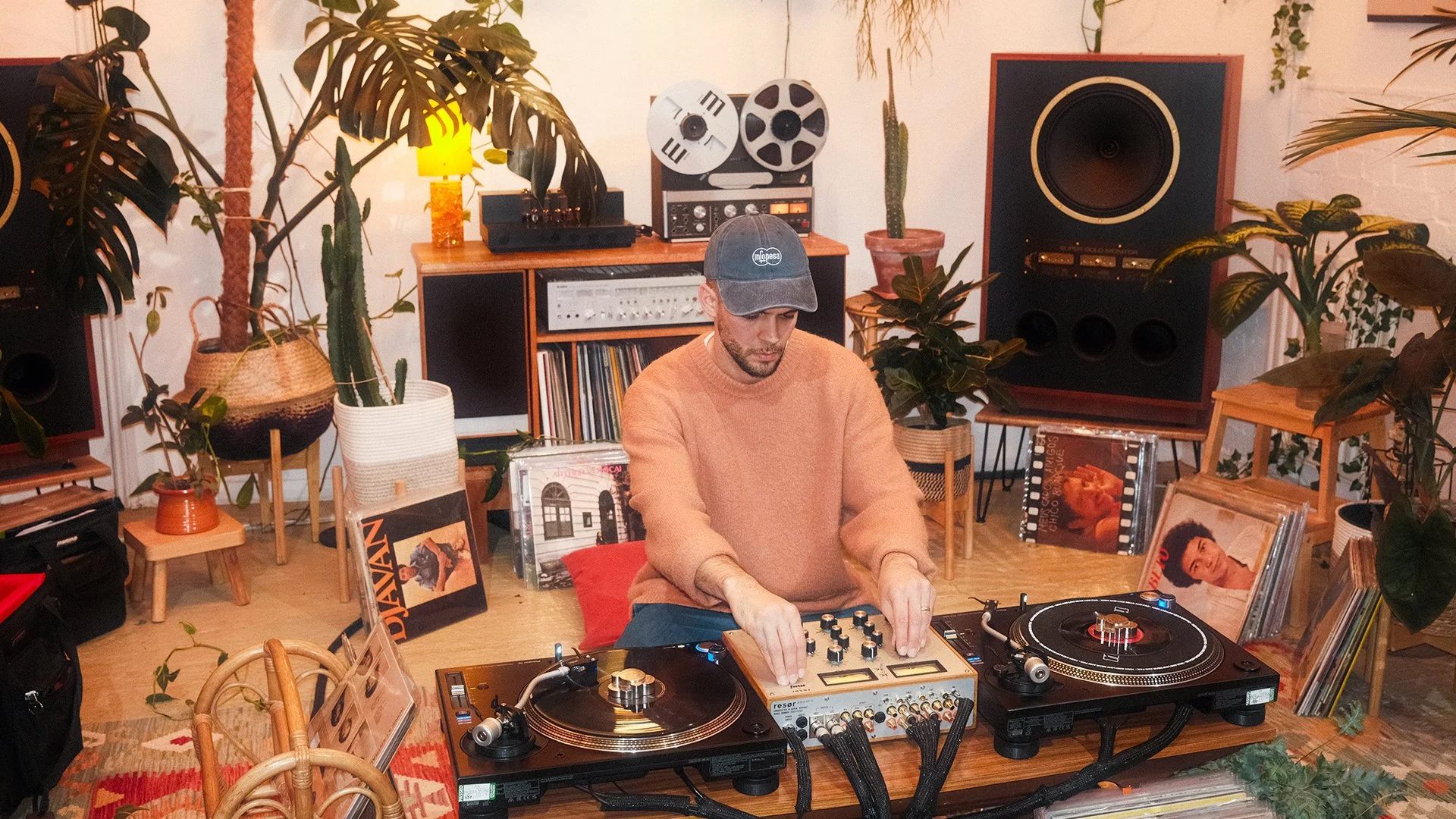
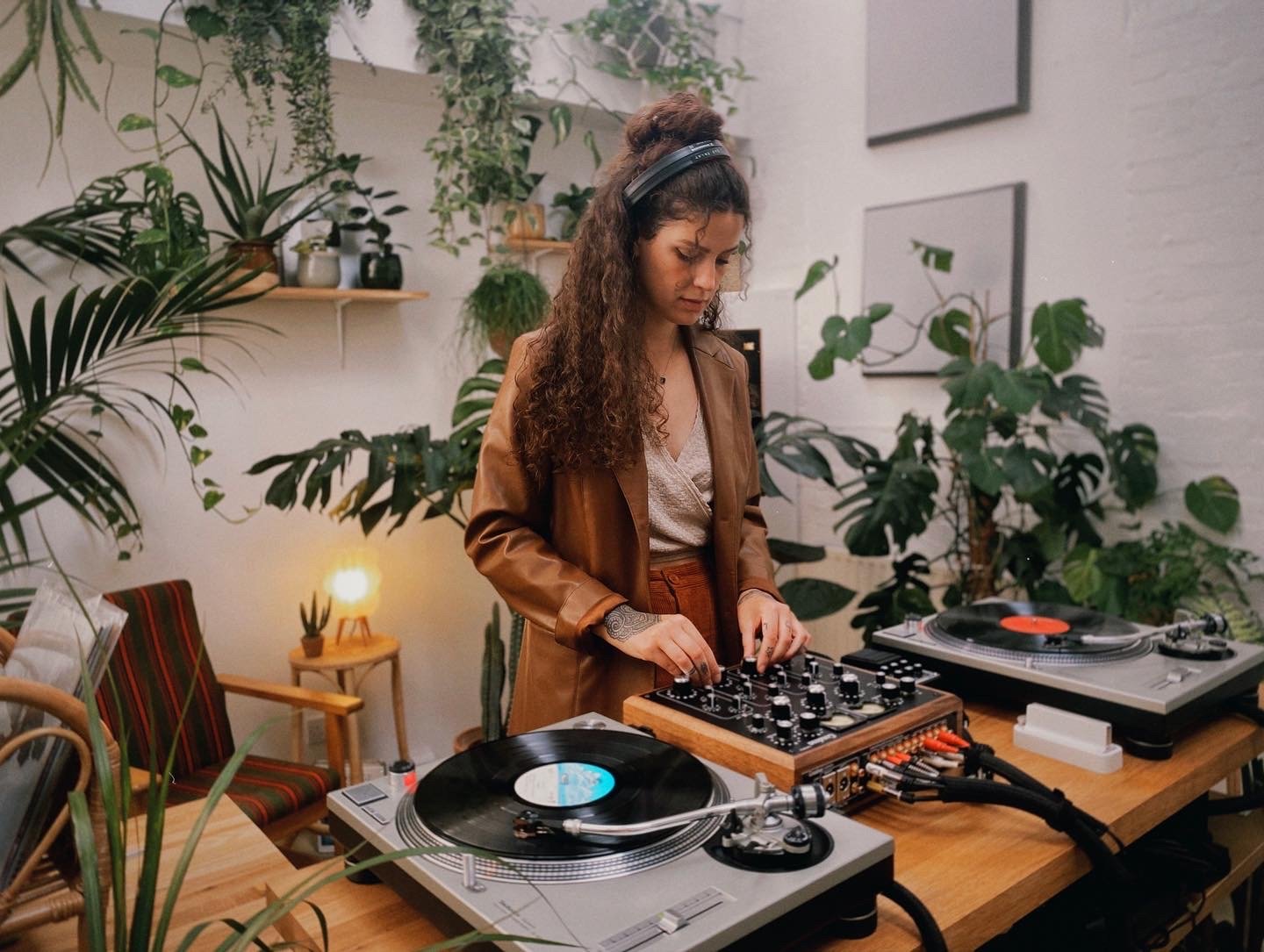
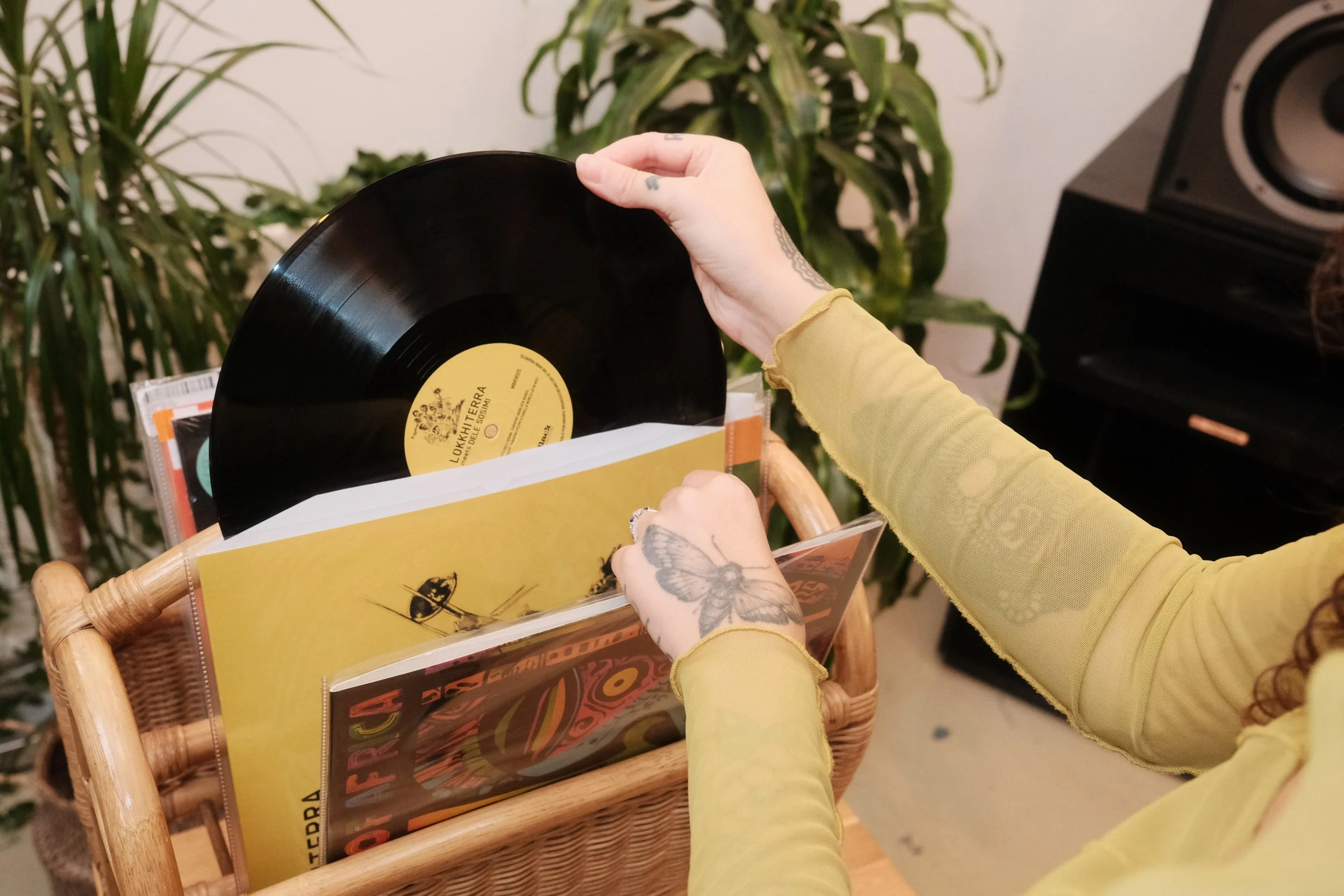
What began as a personal project grew into an international platform dedicated to music discovery and cultural exchange. Through the channel, listeners from around the world have been introduced to artists, genres, and traditions that exist beyond mainstream algorithms and commercial playlists. As the community around My Analog Journal grew, one thing became increasingly clear:
Digital platforms make music more accessible than ever, but they cannot replace the experience of sharing it in a physical space. People still look for places where they can meet, discover something new, and spend time together without feeling rushed.
During our travels, we were particularly inspired by Japanese jazz kissa, neighbourhood cafés where music is given the same attention as the coffee. What resonated most was not the genre itself, but the philosophy behind these spaces. The quality of the sound, the pace of the environment, and the respect given to listening created a different kind of hospitality.
We found similar values in independent cafés across Europe, where thoughtful design, personal service, and a welcoming atmosphere encouraged people to stay rather than simply pass through.
Over time, these influences came together. The warmth of Turkish hospitality, the listening culture of the jazz kissa, the craft of specialty coffee, the simplicity of Scandinavian design, and the openness of community spaces gradually shaped the idea behind LAMBA.
The name reflects that combination.
lamba /ˈlɑm.bɑ/ noun (from Turkish lamba)
1. A lamp; a light bulb.
2. (Hi-fi) A vacuum tube, especially as used in audio equipment.
Both meanings reflect qualities that are central to the project: warmth, atmosphere, and care.
Rather than recreating the Japanese jazz kissa or opening another specialty coffee shop, LAMBA reinterprets the values behind both within the context of Malmö.
At its core, the venue is a neighbourhood café. Coffee is at the heart of the business, but the space is equally intended for music, conversation, and community. Guests may stop by for a morning espresso, spend an afternoon reading, attend a listening session, or join a workshop or discussion.
The music programme follows the same philosophy that shaped My Analog Journal. Records are chosen for the stories they tell, the cultures they represent, and their ability to introduce listeners to something unfamiliar. The focus is on curiosity rather than rarity.
The food takes a similar approach. Inspired by our Turkish and Palestinian heritage, the menu draws on the flavours of Türkiye and the wider Eastern Mediterranean through a focused selection of seasonal dishes designed for a neighbourhood café.
Every aspect of the space has been considered with the same intention. The architecture, acoustics, materials, furniture, and lighting work together to create an environment that feels calm, welcoming, and comfortable throughout the day.
PREVIOUS CHAPTER